Part 1: The Importance of Picture Books
One of my saddest moments was being informed I was too old to read picture books. One of the happiest, was discovering there was a three-year course called ‘Children’s Literature’ on my first day at teacher’s college. It’s a sad world that we live in, when children are pushed to leave the world of picture books behind them, to instead become immersed in chapter books.
In a world where technology has taken over our lives, the importance of picture books and the role they play, is still relevant.
Our first introduction to language and understanding of words is by seeing the world through our eyes and listening to the spoken word. If you watch toddlers, they are highly observant and absorb new information visually and the journey into picture books is an integral part of the process.
These books don’t just teach children to read and understand language, they help them develop imagination and an understanding of art.
To be honest, when entering a store, it’s the picture books that call to me first: their colours, the imagery and the magic they hold within. Picture books are for everyone, no matter our age. Each time we return to an old favourite, we see something new, and even more important, it helps us revisit that inner child within us.
Story Telling
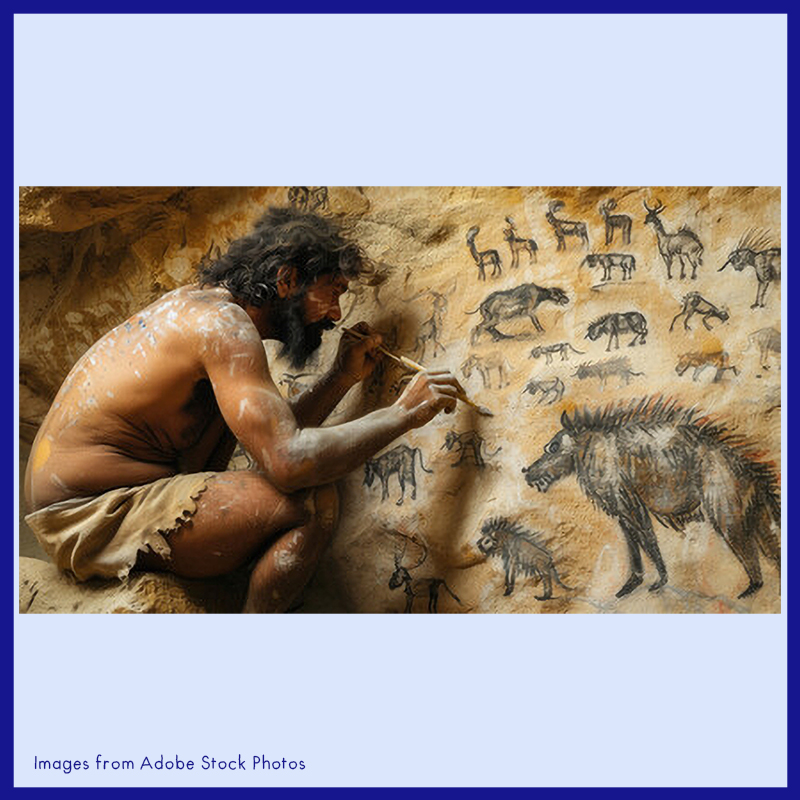
From mankind’s earliest history, the art of storytelling has been embedded within us.
The Short History of Books
First vocalised millennia ago, stories were later drawn upon cave walls when the first artist picked discovered they could draw. These stories generally related events that had taken place; in reality, the first written histories.
Books came later, but were written for adults, not children. It wasn’t until the 1600s that children’s books were first written and printed. In the early days, they were a way of educating the young on social mores, or for teaching lessons. A century later, the young read mostly books written for adults – mostly adventure stories like Robinson Crusoe and Gulliver’s Travels.
The 1800s saw children’s books become a genre of their own. This was a time when authors began creating stories that were interesting and imaginative. These were also the years when the Brothers Grimm recorded their collection of folk tales, which became the beloved fairy tales of my generation.
It’s only within the past century or so, however, that picture books burst onto the scene.
I loved reading the likes of Grimm’s Fairy Tales, Pollyanna, Heidi and Anne of Green Gables, but their preaching undertones didn’t hold me like books that came later. It was Dr Seuss’ Cat in the Hat, and the Berenstain Bear series that held me riveted during my years of early reading experiences and adventure stories like The Adventurous Four by Enid Blyton, and Arthur Ransome’s Swallows and Amazons that truly captured my adventurous heart. The picture books held me in fits of laughter and set my imagination soaring, whilst the latter called to my adventurous heart.
As a child and teacher, right through to the early 2000s, I found picture books were fun. Writers had moved away from the moralistic teachings so prevalent during the early years. It was quite a shock to discover multitudes of authors had reverted to the original norm as a way of teaching socialisation when I entered the writing world some twelve years later.
Picture Books
That aside, books for the young today have become more than a picture book. They are the perfect medium for storytelling.
Picture books may appear simple, but they are in fact rather sophisticated and considered one of the most difficult arts of storytelling. Since I commenced writing in 2020, word count expectations on authors by traditional publishers have gone from 700 to 500, and the word is out that a few are now aiming for 150 – not an easy feat!
I just love the way the words and illustrations work together to create the story. One of the things I enjoy most about writing picture books is the journey I have creating each book with an aim to include surprises within the illustrations, which in turn deepens the plot.
Part 2: Why Should We Read Picture Books to Children?
Language And More …
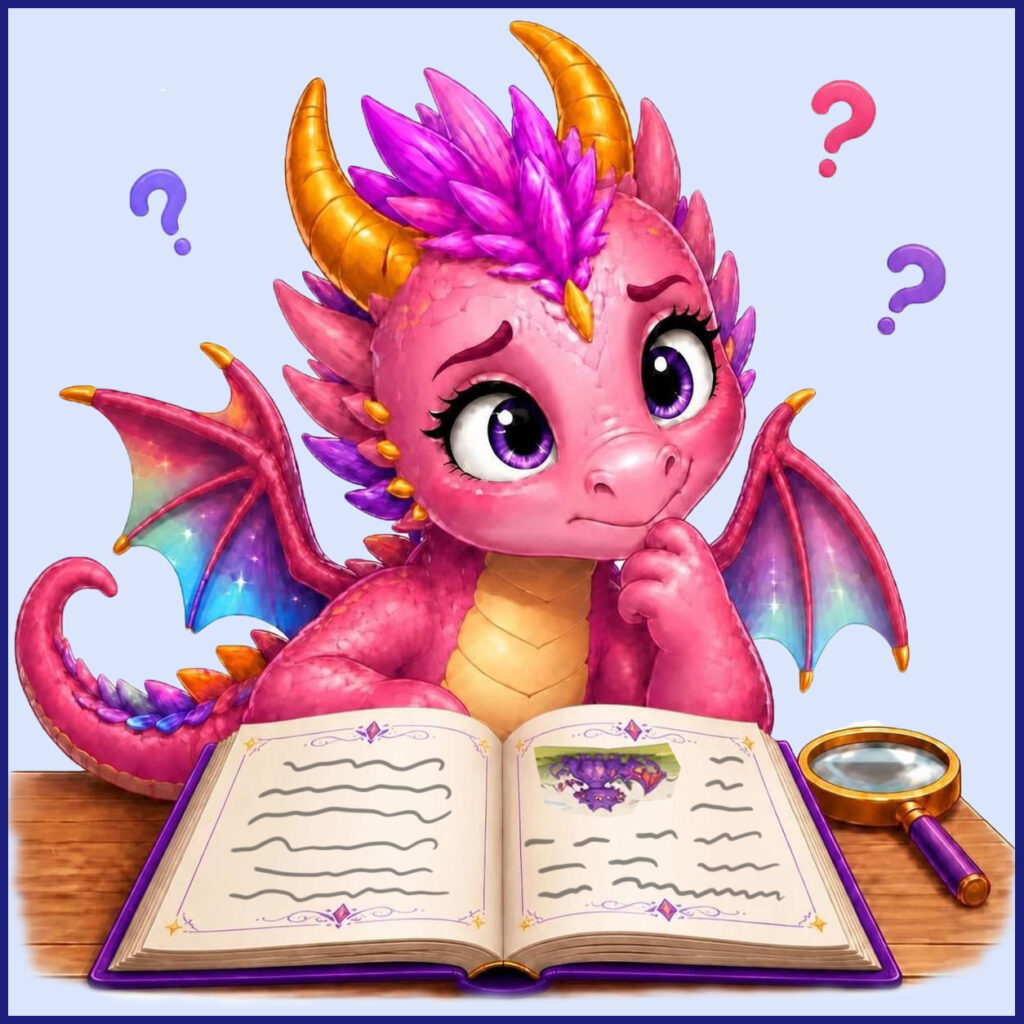
At the simplest of levels picture books show the young reader that words have meaning. The illustrations assist them with making the connection as they search the images for the knowledge they require.
When reading picture books, the reader must pay attention to both words and imagery. Whilst attending to the text, they are investigating the images to make sense of the text and action. Illustrations bring the story to life and provide a visual roadmap for the listener.
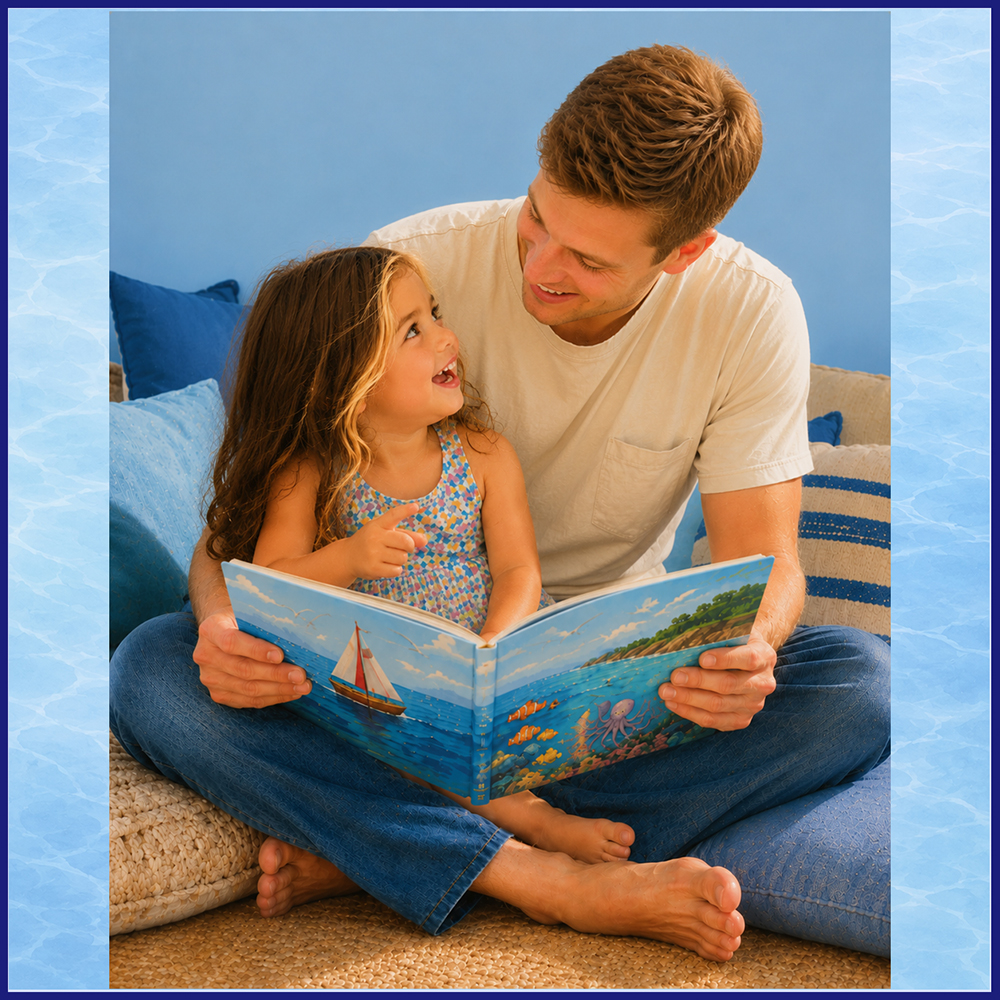
Picture books are for rereading, sharing and encouraging conversations. Through these processes, children are learning all about language and rereading assists with building memory retention in a fun way.
Picture books enable discussion. It may be about why there is one word on a page,
or word choice,
or a character’s feelings,
or why a character behaved as they did,
or the colours used.

Listening to picture books helps children’s verbal skills mature at a much faster rate than those who aren’t read to. This assists with developing their reading readiness when entering school. If children are read one book a day for their first five years they hear almost 300,000 words. Something as simple as asking ‘Can you find the cheetah on this page?’ can provide new vocabulary.
‘… children whose parents read to them once every other month would hear 4,662 words from books by age 5. One to 2 reading sessions per week lead to children hearing 63,570 words; 3-5 sessions per week, 169,520 words; daily, 296,660 words; and five books a day, 1,483,300 words.’ Miranda Doran-Myers / July 3, 2019
As they read, children are making connections with their own knowledge of the world and their life at that moment of time. Picture books also help them make connection that assist them as they grow and develop.
Listening to picture books provides children with new sources for learning concepts (i.e. counting/spatial), reasoning powers (why did the character behave as they did?) and even foundational literacy skills as simple as reading left to right/top to bottom.
Books encourage children to think, thereby helping them develop critical thinking skills and providing opportunities for them to think outside the square.
In my early years of teaching, I was amazed at how often children didn’t comprehend these simple (to we adults) facets. Without these understandings, how can we expect them to read?
Simple facets such as sequencing the order of events assists with comprehension and helps the child make inferences as they attempt to make sense of the story.
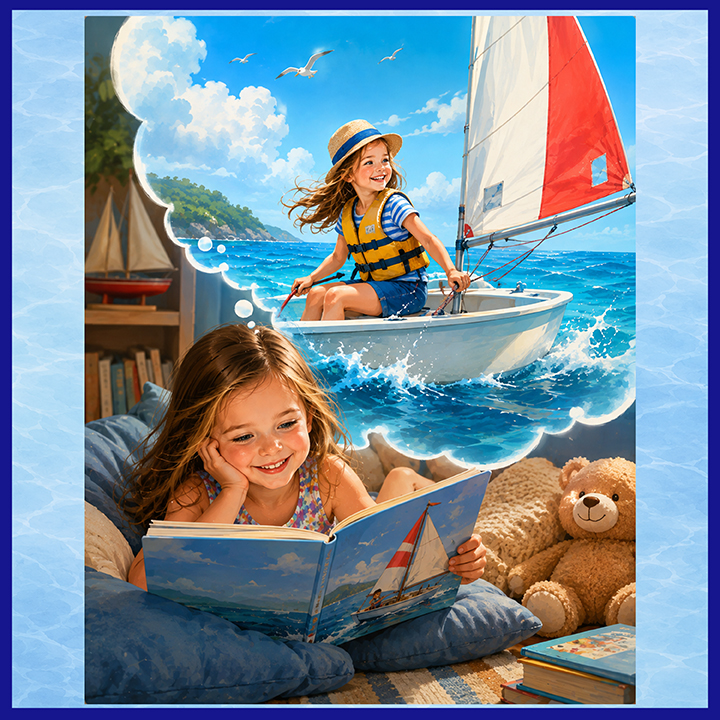
For young readers, picture books are not always about having to decode as they read. They offer freedom, escapism, and enjoyment. The child can become the character and join the adventure.
Picture books encourage young children to dream.
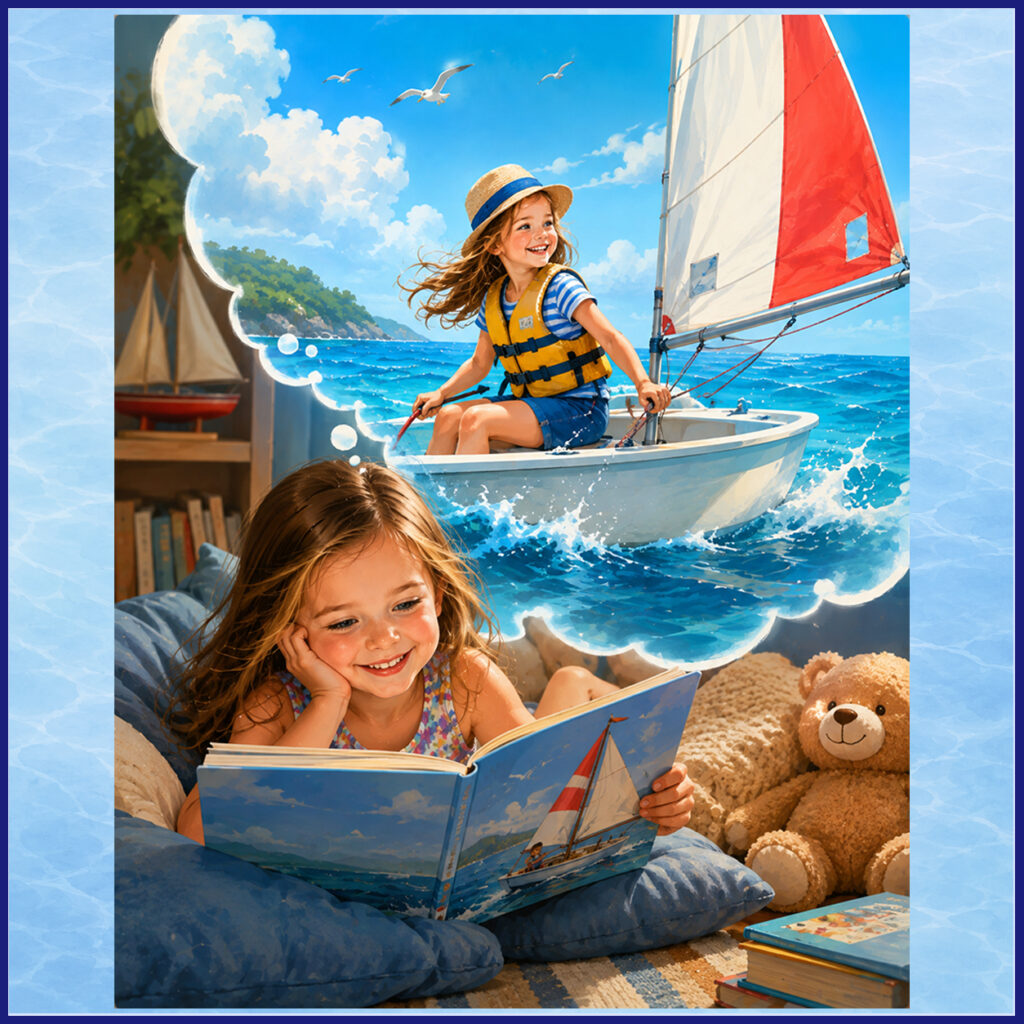
For some adults, picture books provide the means for exploring mature, complex themes, whilst for others, it’s the simple magic held within a picture book that doesn’t contain complex messages and takes us back to our childhood. This makes the book perfect for a wide range of audiences.
Part 3: CHOOSING A PICTURE BOOK FOR YOUR CHILD.
Choosing
pictures for a
child isn’t an easy thing.
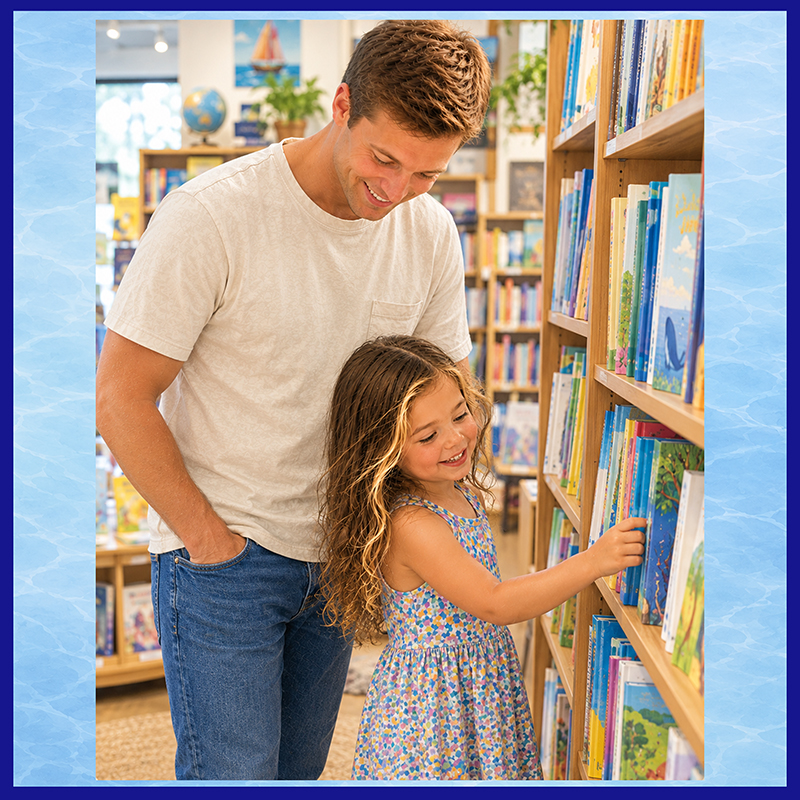
When teaching, I found it was important to not just provide a base that enabled my students to become literate during adulthood. In addition, I needed to supply books that helped them grow socially and emotionally. The books also had to be fun to read, and where possible have them guessing what was coming next.
Choose both fiction and non-fiction books as this helps create a rounded, well-developed adult.
When choosing Picture Book To Read To Your Child
When choosing picture books for your child, these are some areas you may wish to consider:
Voice
We all have our favourite writers, and generally it’s about the voice they write in, the style they
present and the genres they write in. It’s important that we offer our children a broad exposure to different types of books. Doing so helps broaden their experiences and minds, thereby ensuring they don’t become locked into choosing a narrow genre of books.
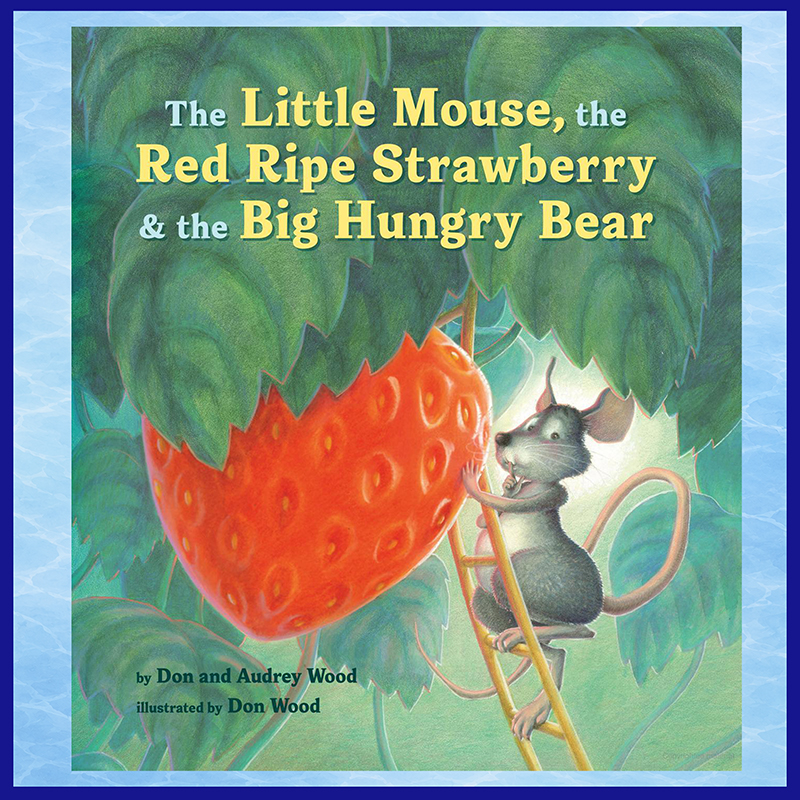
The images draw the reader in, as does the author’s voice which has you, the reader, talking to the little mouse.
A Performance
When reading aloud, we become performers. Voice intonation, timing and actions are all crucial. We need to connect with books that allow us to do this. Text and images should work together to provide that balance that is so crucial when it comes to timing. Is the story one that sings to you, even if it’s not one that would appeal to you?
Tip: Make sure you are familiar with the book before you share it with your child. This helps you create a memorable experience that has them wanting the story read time and time again.
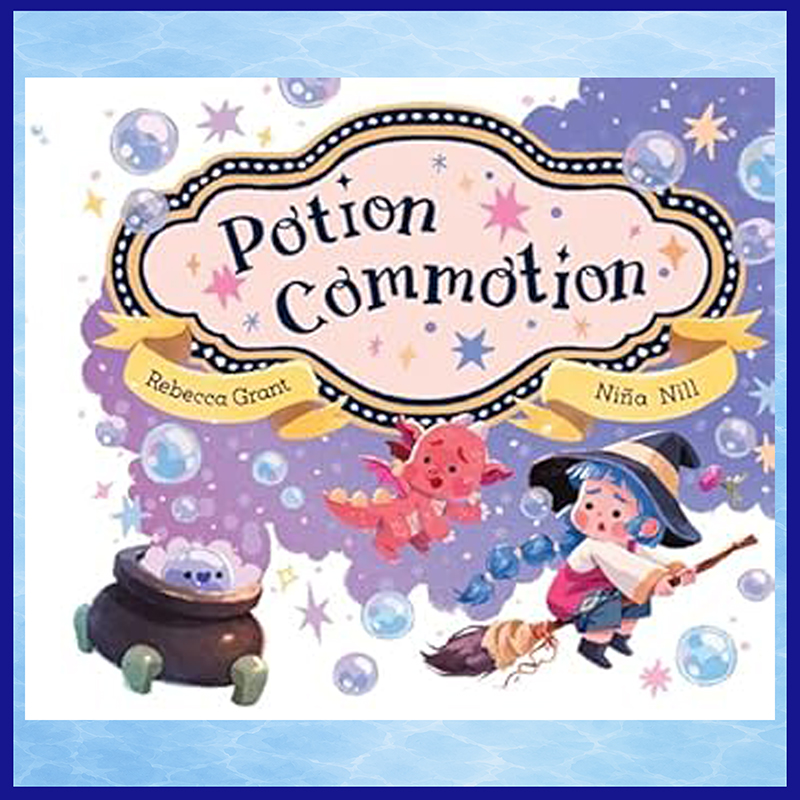
As her spell goes dreadfully wrong, Rebecca Grant’s Potion Commotion has you singing and feeling connection with Nell and her little dragon.
Time
Take time to sit down with your child. Some questions to ask when choosing a book:
With few words, it’s the illustrations that tell a great proportion of a picture book’s story. Does the book do this?
Is the story one that allows them to predict what will come next?
Is it one where they can find details within the illustrations?
In A Big Blue Boat, one question is ‘Why does the Captain need to anchor?’
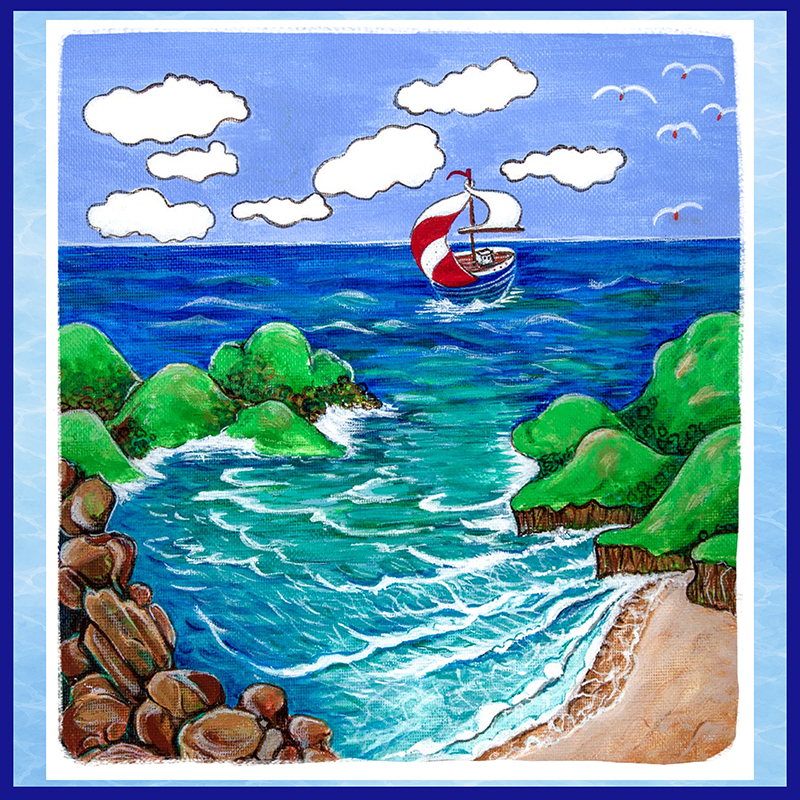
The captain isn’t only tired. When looking at the imaging, if one plays close attention to the sea and notices how near she is to shore, the answer can be found.
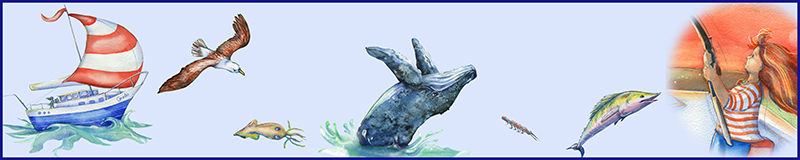
In A Day on the Brine, look closely and you will find some food chains at play, whilst in Captain’s Cave, whilst discovering incredible creatures, the over arching question is ‘What does the tail belong to?’
Tip: You don’t need to finish a book in a night. It’s one you may return to time and again.
Illustrations
I know there are illustrators whose work I do not like, but it is important to ensure children are introduced to a variety of styles. Because we don’t like them, doesn’t mean your child will feel the same.
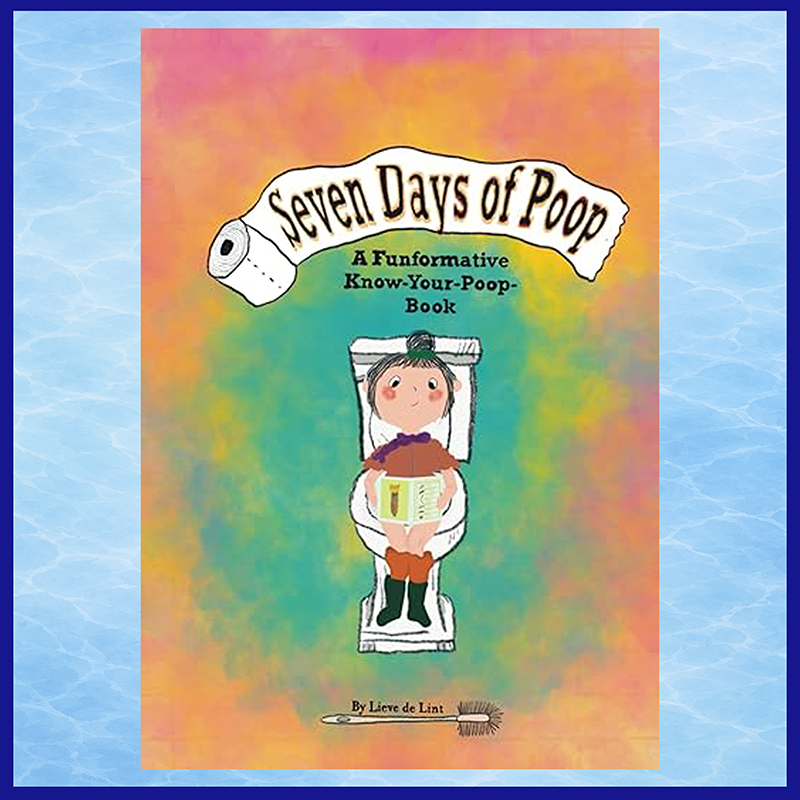
The illustrations felt too clip arty and immediately turned me off, but that doesn’t mean another reader feels this way.
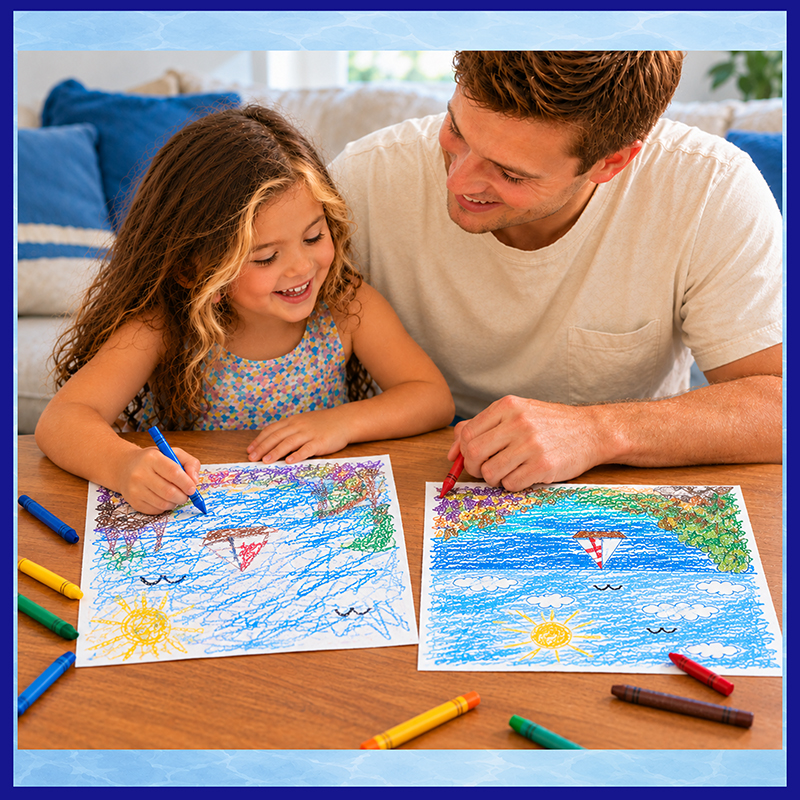
Activity:
Both have a go at creating your own illustrations for a favourite page in a book. Share why each of you saw it that way.
Senses
Does the book stimulate your senses?
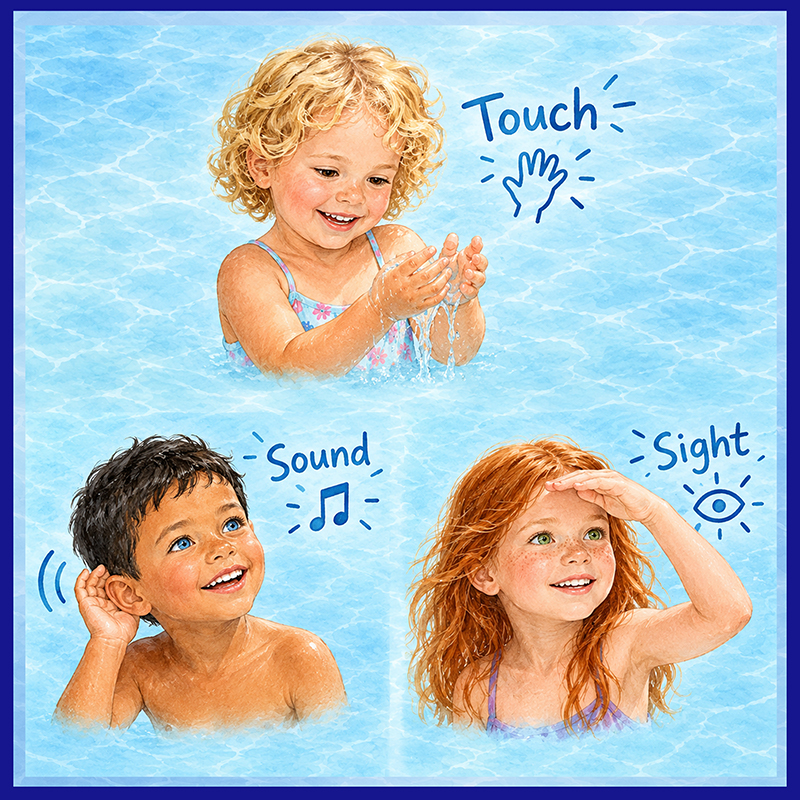
Through their imagery, picture books help children stimulate their 5 senses, which in turn helps them develop their imagination and creativity.
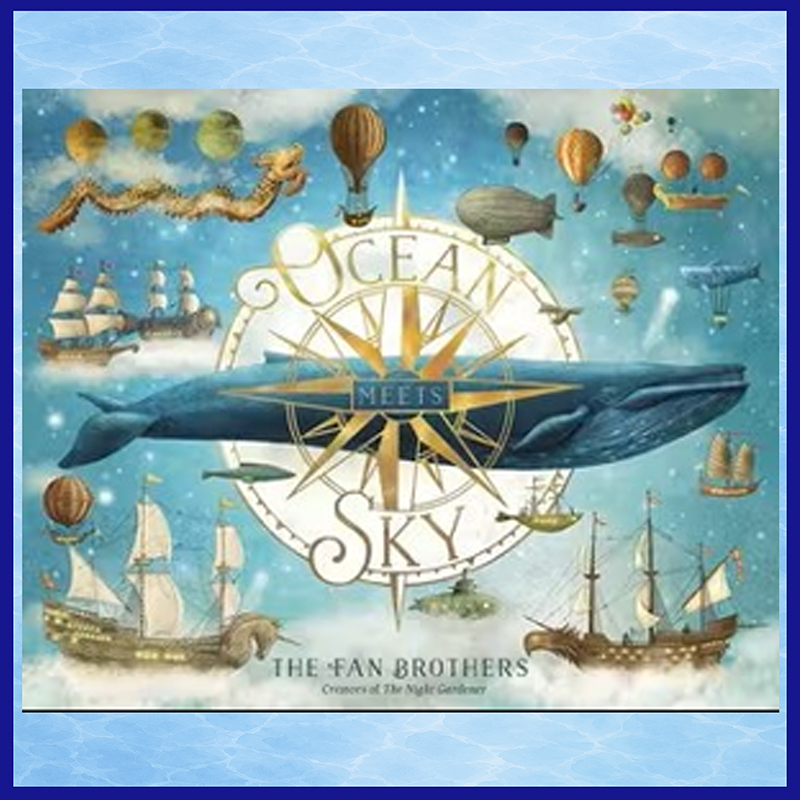
The imagery captured my senses from a sailor’s perspective, yet at the same time there was a feeling of mysticism to the image.
Tip:
Share how the book makes you feel and why.
Final Words
Perhaps the greatest gift a picture book has to offer is that when they have a book in hand, a child doesn’t need to feel alone .